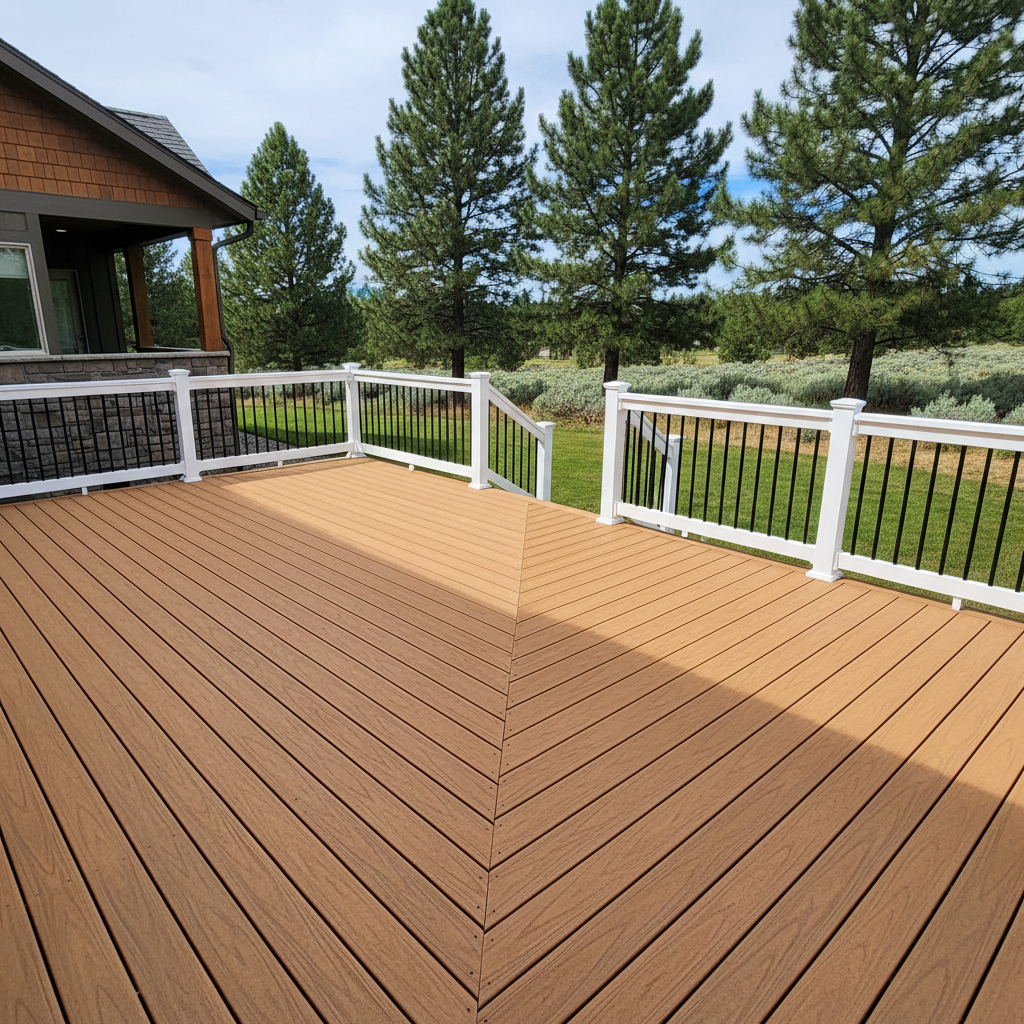
Alright, let's talk decks for a minute. You've either got one already, or you're thinking about adding one to your home, and honestly, that's a great idea. But here in Boise, with our scorching hot summers and those cold, snowy winters we all know so well, a deck needs more than just good looks. It really does. It needs some regular attention and care to stay safe and last for years. I've personally seen too many decks fall apart because folks didn't quite know what to look for, or when it was time to call in a pro. So, let's get into the nitty-gritty of keeping your deck in top shape.
Extend Your Deck's Life: It's All About Protection
Your deck really faces a lot, especially here in the Treasure Valley. We're dealing with intense UV radiation thanks to our elevation, that hot, dry air, and over 120 freeze-thaw cycles between October and April. That constant expanding and contracting of moisture within the wood is incredibly tough on it, as you can imagine. But you can fight back against all that wear and tear. Here's how:
- Seal it Up: If you have a wood deck, sealing it is probably your best friend. It helps protect against both moisture and sun damage. So, how often should you do it? Well, it depends on the product you choose, but generally speaking, clear sealers usually need reapplying every one to two years. Semi-transparent stains, on the other hand, can often go two to three years on horizontal surfaces like the deck floor. Vertical surfaces, like your railings, might last a bit longer before needing a refresh. Some pros even suggest sealing wood decks annually, which happens more than you'd think. The general rule of thumb is at least once every three years. Want to know if it's time? Just do a simple water drop test: if water soaks right into the wood, you should seal it. If it beads up nicely, you're good for now.
- Keep it Clean: Dirt, leaves, and other debris can trap moisture, and that's a quick path to rot and mold. Make sure to give your deck a good sweep regularly. Use a putty knife or even an old kitchen knife to clear out any gunk that gets stuck between the boards. An annual scrub with a commercial deck cleaner is a smart move, especially in the spring, to wash away all that winter grime.
- Trim Back the Green: Bushes and trees that are too close to your deck can keep it damp, and that encourages moss, mold, and rot. Trim them back at least 12 inches. Good airflow really helps things dry out after rain or snow, which is important.
- Mind the Drainage: Water should absolutely never pool on your deck or around its foundation. Poor drainage speeds up rot and mold development. Make sure your deck is properly sloped so water runs off, and check that your gutters aren't dumping water right onto or under it.
Regular Maintenance: Your Seasonal Checklist
Think of this as your personal battle plan against Boise's unique weather challenges:
- Spring Check-Up: After winter finally breaks, give your deck a thorough once-over. This is honestly the best time to catch any small problems early, before they become bigger. Look for loose boards, wobbly railings, or any early signs of rot. Then, clean off all the winter crud.
- Summer Care: Enjoy it! That's what decks are for, right? But still, keep an eye out for anything new popping up. Clear debris, especially after those summer thunderstorms.
- Fall Prep: Before the snow starts to fly, clean your deck one last time. Clear off leaves and any other junk that could trap moisture over the winter months.
- Winter Watch: If you get snow, use a plastic shovel to clear it. Avoid using harsh chemical de-icers, as they can damage your deck's surface. Heavy snow loads add a lot of pressure to the frame, so clearing it definitely helps.
Warning Signs: What to Look For
Your deck will tell you when it's hurting; you just need to know how to listen. Here are the red flags you should be watching for:
- Soft or Spongy Wood: Walk around and press on your deck boards with your foot or a screwdriver. If they feel soft, squishy, or crumble easily, that's a sure sign of rot. This means water has gotten in and is breaking down the wood from the inside out.
- Discoloration or Stains: Darker spots, black or brown stains, or areas that look constantly waterlogged can point to fungal growth or water damage. Check around fasteners too, as these spots are often overlooked.
- Cracks, Splinters, or Warped Boards: Wood naturally expands and contracts with temperature changes, but excessive cracking, splintering, or warping means the wood's integrity is compromised. This is not a small thing.
- Wobbly Railings or Loose Posts: This is a major safety hazard, plain and simple. Railings should feel firm and solid. If they wobble even a little, they need attention immediately.
- Rusted or Missing Hardware: Screws, nails, bolts, and metal brackets are important for holding everything together. If they're corroded, loose, or missing, your deck isn't properly fastened, and that's a problem.
- Sinking or Uneven Decking: If your deck feels uneven or appears to be sinking in places, you could have foundation issues. Shifting soil or weakened support posts are serious problems that need to be addressed promptly.
- Gaps Around the House (Ledger Board): The ledger board is what connects your deck directly to your house. If you see a gap or any signs of rot or deterioration here, it's a critical issue. Ledger board failure is actually a leading cause of deck collapses, which is why it's so important.
When to Call a Professional
Look, some things you can definitely do yourself around the house. But for others, you really need someone who knows what they're doing. Don't wait until a small problem becomes a huge, expensive headache or, even worse, a safety hazard for your family or guests.
- Structural Concerns: If you find soft spots in the joists or beams (not just the surface boards), or if posts are sinking or leaning, that's absolutely a job for a pro. Any issues with the ledger board connection to your house are also critical and need immediate attention.
- Extensive Rot or Insect Damage: Small areas of rot might be manageable with some DIY effort. But if more than 10% of your decking is damaged, or if you suspect an insect infestation, you really should get an expert opinion.
- Unstable Deck: If your deck feels bouncy or unstable when you walk on it, or if you notice significant movement, please call us. This could indicate deeper structural issues that aren't visible from the surface.
- You're Not Sure: Honestly, if you're inspecting your deck and something just doesn't look right, but you can't quite put your finger on it, it's always better to have a professional take a look. We offer detailed assessments to give you a clear picture of your deck's condition.
Here at Alpha Decks Boise, we've truly seen it all. Our unique climate, with its dry summers and wet, snowy winters, puts particular stress on decks in this area. We understand how these conditions affect your deck's integrity, especially with all those freeze-thaw cycles we experience. We can help identify the root causes of problems and make sure any repairs are durable, not just cosmetic fixes. Your deck should be a safe, enjoyable extension of your home, not something that causes you worry. Keep up with these tips, and please don't hesitate to reach out if you need a hand or have any questions.